
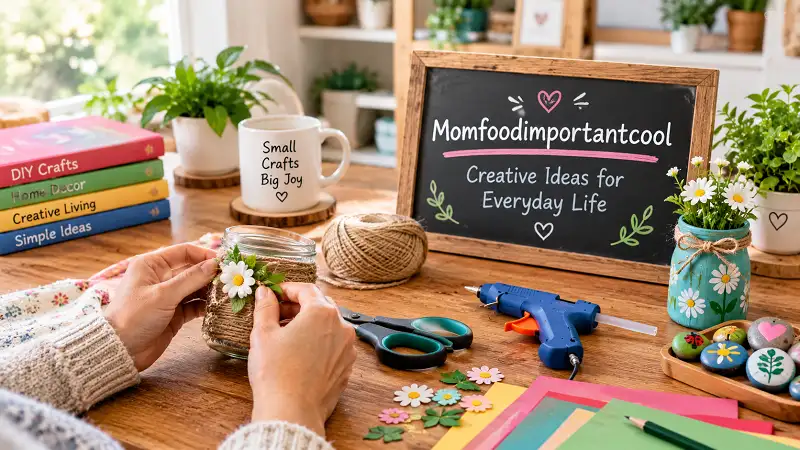
Crafting is a simple and enjoyable way to turn ordinary materials into something useful, beautiful, or meaningful. From handmade decorations to personalized gifts, creative projects allow people to express their ideas while learning practical skills. Crafts Importantcool represents the joy of making things by hand and discovering new ways to use everyday items. Whether someone enjoys working with paper, fabric, wood, or recycled materials, crafting offers opportunities to explore creativity, spend time productively, and create something special without needing expensive tools or professional experience.
Understanding the Value of Crafting
Crafting involves creating objects by using imagination, practical skills, and different materials. Some people make crafts for decoration, while others focus on useful household items, gifts, or personal accessories. Every project offers a chance to experiment with colors, shapes, textures, and designs.
One of the best things about crafting is its flexibility. A person can complete a small project in fifteen minutes or spend several days working on something more detailed. Beginners can start with basic materials and gradually develop their abilities as they become more comfortable with different techniques.
Creative activities also encourage patience and attention to detail. Measuring materials, following instructions, and correcting mistakes help people become more confident in their work. Over time, these small experiences can make crafting a rewarding part of everyday life.
Popular Types of Crafts to Explore
There are many crafting styles to choose from, so everyone can find an activity that matches their interests. Exploring different methods helps people discover which materials and techniques they enjoy most.
Paper Crafts
Paper crafting is an affordable starting point for beginners. It includes greeting cards, paper flowers, bookmarks, gift boxes, origami, and decorative wall art. Most projects require only paper, scissors, glue, and a few coloring tools.
Old magazines, newspapers, and cardboard packaging can also become useful crafting materials. For example, colorful magazine pages can be rolled into decorative beads, while cardboard boxes can be transformed into storage organizers.
Fabric and Textile Crafts
Fabric crafts are ideal for people who enjoy sewing, stitching, or working with soft materials. Simple projects include cushion covers, fabric bookmarks, reusable shopping bags, and small pouches. Even leftover fabric pieces can become attractive decorations.
People who are new to sewing can begin with basic hand stitches before trying more complicated designs. Using fabric scraps also reduces waste and makes it easier to experiment without purchasing large amounts of material.
Nature Inspired Crafts
Natural materials provide plenty of inspiration for creative projects. Dry leaves, small branches, pinecones, and smooth stones can be used to make seasonal decorations, framed artwork, or simple table displays.
When collecting natural materials, choose items responsibly and avoid disturbing wildlife or damaging plants. Clean and dry materials properly before using them indoors, especially when making decorations that will be stored for a long time.
Simple Craft Ideas for Beginners
Starting with manageable projects helps beginners build confidence without feeling overwhelmed. A good first project should require only a few materials, have clear steps, and produce a useful or attractive result.
For example, decorated glass jars can become pencil holders, small planters, or storage containers. Wash an empty jar thoroughly, remove its label, and decorate the outside with paint, string, or paper. Make sure the jar is completely dry before using it.
Another easy option is a handmade greeting card. Fold a piece of sturdy paper, draw a simple design, and add a personal message. Small details, such as colored borders or paper shapes, can make the finished card feel thoughtful.
These beginner projects reflect the practical spirit of Crafts Importantcool, where creativity does not depend on expensive supplies or complicated instructions. Instead, the focus remains on exploring ideas, using available materials, and enjoying the process of making something by hand.
Crafting with Recycled Materials
Recycling offers a practical way to make crafts while reducing unnecessary waste. Many everyday objects can be reused creatively instead of being thrown away immediately. Cardboard tubes, plastic containers, fabric leftovers, and clean packaging are useful examples.
An empty cardboard box can become a drawer organizer when cut into smaller sections and covered with decorative paper. Clean tin cans can hold stationery or paintbrushes after their sharp edges have been made safe. Old T-shirts can be cut into strips for braided mats or reusable cleaning cloths.
Before starting a recycled craft, inspect the materials carefully. Avoid containers that held hazardous chemicals, and never use damaged glass or sharp metal without appropriate protection. Children should work with suitable materials under adult supervision.
Reusing existing supplies also encourages thoughtful spending. Rather than buying new materials for every project, crafters can look around their homes for objects that already meet their needs.
Benefits of Creative Activities
Crafting provides benefits that extend beyond the finished object. One important advantage is the opportunity to take a break from screens and daily responsibilities. Concentrating on a hands-on task can create a pleasant change of pace and provide a sense of accomplishment.
Creative projects can also improve coordination and problem-solving skills. Cutting accurate shapes, joining different materials, and adjusting a design require careful decisions. These activities encourage people to think creatively when something does not work as expected.
Crafting can become a social activity, too. Friends and family members can work together on decorations, handmade gifts, or seasonal projects. Sharing ideas allows everyone to learn different techniques and enjoy time together.
For children, age-appropriate crafts support imagination and help develop fine motor skills. Adults may appreciate crafting as a relaxing hobby, while older people can use familiar projects to remain creatively engaged. The most important consideration is choosing activities that suit each person’s abilities and interests.
Organizing a Comfortable Crafting Space
A well-organized workspace makes creative projects easier to manage. You do not need a separate room to enjoy crafting. A clean table, a storage box, and a comfortable chair can provide enough space for many small activities.
Keep frequently used supplies together in labeled containers. Store scissors, glue, rulers, brushes, and paper in places where they are easy to find. Small jars can hold buttons, beads, and other tiny materials, while folders help protect finished artwork and unused paper.
Good lighting is equally important, particularly when working with detailed patterns or small objects. Natural daylight is useful when available, but a suitable desk lamp can help during evening projects.
After each session, return tools to their proper places and clear away scraps. A tidy workspace saves time, protects materials, and makes it easier to begin the next project without unnecessary preparation.
Choosing Materials and Tools Wisely
Selecting the right materials can improve both the crafting experience and the final result. Beginners should focus on versatile supplies rather than purchasing every tool they see in a craft store.
Basic equipment may include scissors, pencils, a ruler, non-toxic glue, colored paper, and a small selection of paints. As skills improve, additional items can be purchased according to the projects being attempted.
Material quality matters, but expensive products are not always necessary. Affordable paper can work well for practice, while stronger cardstock may be better for greeting cards that need to maintain their shape. Similarly, washable paints are useful for children’s projects and simple decorations.
When learning a new technique, read the product instructions and follow safety recommendations. Use adhesives and paints in well-ventilated areas when required, and keep sharp tools away from young children. Careful preparation prevents common problems and helps projects last longer.
Making Handmade Gifts More Meaningful
Handmade gifts often feel special because they reflect time, attention, and personal thought. A small creation can become memorable when it matches the recipient’s interests, favorite colors, or everyday needs.
A personalized photo frame, decorated notebook, fabric bookmark, or handmade card can be an excellent choice for birthdays and other celebrations. Adding a short message or a meaningful design makes the gift more personal without requiring complicated techniques.
Presentation also matters. Recycled paper, fabric ribbons, and reusable gift bags can create attractive packaging while avoiding unnecessary waste. The goal is not to make a perfect object but to create something that communicates care.
Crafts Importantcool highlights this personal side of creativity by encouraging people to turn simple materials into thoughtful creations. A handmade item may have small imperfections, but those details can make it feel unique rather than ordinary.
Developing Your Creativity Over Time
Creative skills improve through practice, experimentation, and patience. Beginners should avoid comparing their first attempts with professional artwork. Every experienced crafter once had to learn basic techniques and discover which methods worked best.
Keeping a notebook of project ideas can help organize inspiration. Write down materials, useful measurements, color combinations, and changes that might improve future results. Photographs of completed projects can also show progress over several months.
Trying different styles is another helpful approach. Someone who usually works with paper might explore fabric painting, while a person who enjoys decorations could experiment with simple woodworking. New experiences often reveal interests that were not obvious at first.
Mistakes should be treated as opportunities to learn. If glue leaves a mark or a cut becomes uneven, consider how the problem can be prevented next time. With regular practice, small improvements gradually lead to better results and greater confidence.
Conclusion
Crafting offers an accessible way to express creativity, reuse materials, develop practical skills, and make meaningful objects for everyday life. From simple paper decorations to recycled organizers and personalized gifts, countless projects can begin with supplies already available at home. A comfortable workspace, sensible material choices, and regular practice make the experience more enjoyable. Crafts Importantcool captures the value of creating something with your own hands, reminding beginners and experienced hobbyists alike that imagination matters more than expensive equipment. Start with one manageable idea, enjoy each step, and allow your creativity to grow naturally over time. Explore more topics on Momfoodimportantcool!