
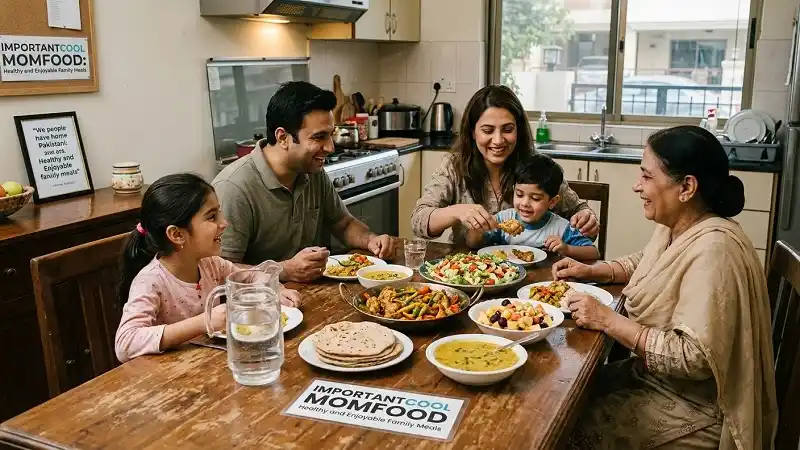
Food plays an important role in family life. It provides energy, brings people together, and creates opportunities to share traditions and develop healthy habits. From preparing breakfast before a busy day to enjoying dinner with loved ones, everyday meals can have a lasting impact on family routines. Parents often look for practical ways to prepare nutritious food without spending too much time or money. The keyword Importantcool momfood connects with this broader interest in home cooking, family nutrition, meal planning, and creative ideas for making everyday food more enjoyable.
Preparing meals at home does not need to involve complicated recipes or expensive ingredients. With a little organization, families can create balanced dishes that suit different tastes, schedules, and budgets. The most useful approach is to focus on simple ingredients, realistic routines, and meals that everyone can enjoy.
Why Home-Cooked Meals Matter
Home cooking gives families more control over the ingredients they use and the way meals are prepared. It can make it easier to include vegetables, fruits, whole grains, protein sources, and other foods that support a balanced diet.
Cooking at home can also help families manage their food budgets. Planning meals around ingredients already available in the kitchen reduces waste and makes shopping more organized. Leftover vegetables, rice, or cooked chicken can often be used in soups, wraps, salads, or other dishes instead of being discarded.
Another benefit is the opportunity to develop family traditions. A familiar breakfast, a favorite weekend recipe, or a meal prepared together can become a meaningful part of everyday life.
Home-cooked meals do not have to be perfect to be valuable. Even a simple dish prepared with care can provide nourishment, comfort, and an opportunity for family members to spend time together.
Understanding Importantcool Momfood
People interested in Importantcool momfood may be exploring ideas related to family meals, practical cooking, and making food preparation more manageable. The exact meaning and available content associated with this phrase should be checked directly if it refers to a particular website or online resource.
More generally, family-focused food content can help readers discover new recipes, organize weekly menus, and find ways to make everyday meals appealing to different age groups.
Useful cooking resources should provide clear instructions, realistic preparation times, and ingredients that are easy to find. They should also consider common household challenges, such as limited cooking time, picky eaters, food allergies, and different nutritional needs.
The best meal ideas are often those that fit naturally into a family’s routine. A recipe does not need to be complicated or visually elaborate to be useful. It simply needs to be practical, enjoyable, and suitable for the people who will eat it.
Planning Balanced Meals for the Family
Balanced meals provide a variety of nutrients that help support normal growth, energy, and overall health. Different people have different nutritional requirements, but variety is a useful principle for most households.
A simple meal can include vegetables or fruit, a source of protein, and a grain or other carbohydrate. Protein sources may include eggs, beans, lentils, fish, poultry, yogurt, and other foods, depending on individual preferences.
For example, a family might prepare eggs with whole-grain toast and fruit for breakfast. Lunch could include lentils, rice, and vegetables, while dinner might feature chicken, beans, or tofu with potatoes and a side salad.
These are flexible ideas rather than strict rules. The right portions and food choices depend on factors such as age, activity, culture, budget, and individual health needs.
Variety is also important because different foods provide different nutrients. Rotating ingredients throughout the week can make meals more interesting and help prevent the household menu from becoming repetitive.
Easy Breakfast Ideas for Busy Mornings
Breakfast can be challenging when everyone needs to leave home at different times. Preparing a few ingredients in advance can make mornings less stressful.
Overnight oats are one option for people who prefer a quick breakfast. Oats can be combined with milk or yogurt and refrigerated overnight. Fruit, nuts, or seeds can be added according to preference and any allergy considerations.
Eggs are another flexible choice. Boiled eggs can be prepared ahead of time, while scrambled eggs can be cooked quickly and served with toast or vegetables. Families who prefer traditional breakfasts can adapt their usual recipes by including fruit, yogurt, or another suitable food alongside the main dish.
Smoothies can also be convenient when made with ingredients such as fruit, yogurt, and milk. However, whole fruit is useful too because it provides fiber and requires little preparation.
The goal is to create a manageable morning routine, not to prepare an elaborate breakfast every day. A few reliable options can provide variety without adding unnecessary work.
Creative Lunches Children Can Enjoy
Preparing lunches that children enjoy can require creativity, especially when they have strong food preferences. Offering a variety of familiar ingredients in different combinations may encourage them to explore new foods gradually.
Sandwiches and wraps can include eggs, chicken, beans, cheese, or vegetables. Rice bowls can be made with leftover rice, cooked vegetables, and a protein source. Homemade pasta salads are another option when prepared and stored safely.
Presentation can also make a difference. Cutting sandwiches into smaller pieces, arranging colorful vegetables together, or serving a dip alongside familiar foods may make a meal more inviting.
Children can be encouraged to help choose between suitable options. For example, they might select which fruit to pack or decide whether they prefer carrots or cucumbers with lunch. Giving children limited choices allows them to participate while keeping the meal balanced.
It is important not to pressure children into finishing every item or trying every new food immediately. Repeated, relaxed exposure to unfamiliar foods can be more helpful than turning mealtimes into a source of conflict.
Making Weeknight Dinners Easier
After a busy day, preparing dinner can feel like another demanding task. Simple recipes and advance planning can reduce the effort involved.
One-pot meals are particularly useful because they often require fewer dishes. Vegetable soups, lentil stews, rice dishes, and pasta recipes can combine several ingredients in one preparation process.
Sheet-pan meals are another practical choice. Suitable vegetables and a protein source can be seasoned and cooked together in the oven, provided the ingredients have compatible cooking times and reach safe temperatures.
Families can also prepare a few basic ingredients in advance. Washing vegetables, cooking beans, portioning ingredients, or preparing a sauce ahead of time can shorten the work required at dinner.
Keeping a small collection of reliable recipes is often more useful than searching for a completely new meal every evening. Once a recipe becomes familiar, it is easier to adjust the ingredients according to what is available.
Smart Grocery Shopping on a Budget
Food expenses can become difficult to manage when shopping is unplanned. A grocery list based on a weekly menu helps families buy what they actually need.
Before shopping, check the refrigerator, freezer, and cupboards. This prevents duplicate purchases and highlights ingredients that should be used soon. Meals can then be planned around those items.
Seasonal produce may offer better value, depending on local availability. Dried beans, lentils, oats, rice, and other pantry staples can also be useful for preparing filling meals at relatively low cost.
Buying larger packages is not always cheaper if some of the food will go unused. Compare unit prices and consider whether ingredients can be stored safely or frozen in suitable portions.
It is also helpful to distinguish between convenience and necessity. Pre-cut vegetables and ready-made meals can save time, but preparing some ingredients at home may reduce costs when time and equipment allow.
A realistic food budget should provide flexibility for changing prices, unexpected guests, and household preferences.
Encouraging Healthy Eating Habits
Children and adults can develop a more positive relationship with food when meals offer variety without unnecessary pressure. Parents can support healthy habits by making different foods available, eating together when practical, and allowing family members to participate in meal preparation.
Children may enjoy washing vegetables, stirring ingredients, arranging fruit, or helping prepare simple recipes under appropriate supervision. These activities can build confidence and teach practical skills.
Regular meal routines can also help families organize their day. However, appetites naturally vary, and food preferences may change over time. A relaxed approach is generally more helpful than using food as a reward or punishment.
Adults can model balanced habits by enjoying a range of foods and discussing nourishment in positive terms. Instead of labeling individual foods as completely good or bad, families can focus on variety, moderation, and how different foods fit into an overall eating pattern.
For children with allergies, feeding difficulties, or specific nutritional needs, individualized advice from a qualified healthcare professional may be appropriate.
Food Safety in the Home Kitchen
Nutritious ingredients are only part of a good meal. Safe food handling is equally important for protecting family members from foodborne illness.
Wash hands before preparing food and after handling raw meat, poultry, seafood, or eggs. Use clean utensils and surfaces, and keep raw ingredients separate from ready-to-eat foods to reduce the risk of cross-contamination.
Perishable foods should be refrigerated promptly rather than left at room temperature for extended periods. Refrigerators should remain at a safe temperature, and leftovers should be stored in covered containers and reheated thoroughly when appropriate.
Follow reliable food safety guidance for cooking temperatures, storage times, and handling specific ingredients. When food has an unusual smell, appearance, or storage history, it may be safer to discard it rather than take unnecessary risks.
Teaching children simple hygiene habits, such as washing their hands before meals, can also help establish good routines from an early age.
Reducing Food Waste Through Better Planning
Food waste affects household budgets and the environment. A little planning can help families use ingredients more efficiently.
One practical method is to plan a second meal around leftovers. Roasted vegetables can be added to wraps or pasta, while cooked beans can be used in soups, salads, or homemade patties. Leftover rice can be repurposed when handled and stored safely.
Labeling containers with dates makes it easier to identify foods that should be used first. Keeping the refrigerator organized can also prevent ingredients from being forgotten at the back of a shelf.
Freezing suitable foods in individual portions may extend their usability and make future meals easier to prepare. However, food should be cooled, stored, thawed, and reheated according to appropriate safety guidance.
Reducing waste does not mean using every leftover regardless of its condition. Food safety should always come first.
Final Thoughts
Preparing family meals is about more than following recipes. It involves making practical choices, supporting balanced eating habits, managing a household budget, and creating positive experiences around food.
Importantcool momfood fits into the broader conversation about home cooking, family nutrition, and creative meal planning. By focusing on straightforward recipes, organized shopping, safe food handling, and involving family members in the kitchen, households can make everyday meals more manageable and enjoyable.
There is no single meal plan that works for every family. The most useful approach is one that reflects individual needs, available ingredients, cultural preferences, and daily schedules. With small, consistent improvements, home cooking can become a rewarding part of family life. For more details, please visit Momfoodimportantcool!