
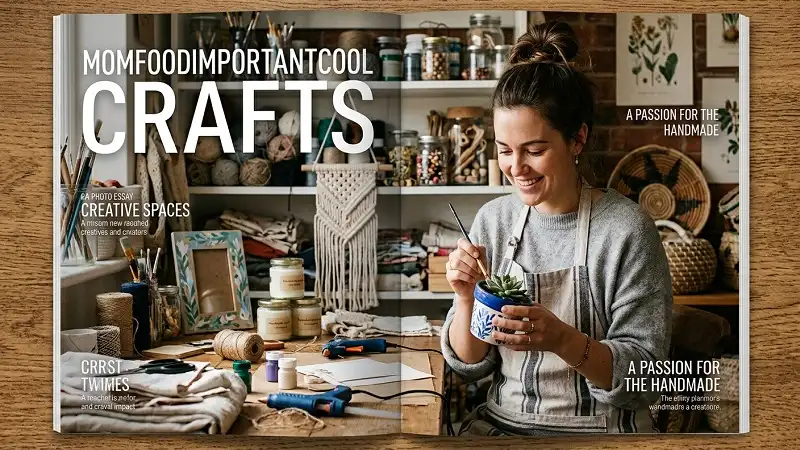
Crafting is a simple and enjoyable way to express creativity, learn new skills, and turn ordinary materials into something useful. From handmade decorations to personalized gifts, creative projects can bring fresh ideas into everyday life. Importantcool crafts can inspire people to explore different materials, experiment with designs, and discover enjoyable activities they can complete at home. Whether you are a beginner or someone who already enjoys DIY projects, crafting offers opportunities to create beautiful items while spending your time productively.
What Are Creative Crafts?
Crafts are activities that involve making decorative, practical, or artistic items by hand. They can include paper projects, painting, sewing, recycled decorations, handmade jewelry, and many other activities.
Some crafts require only a few inexpensive supplies, while others involve specialized tools and materials. The best project depends on your interests, available time, and experience.
Crafting is suitable for people of different ages. Children can enjoy simple paper activities with adult supervision, while teenagers and adults may prefer more detailed projects. You do not need professional artistic skills to begin. Basic materials, patience, and a willingness to experiment are often enough.
Start With Simple DIY Projects
Beginners should choose projects that are easy to understand and do not require expensive supplies. Completing a small project can build confidence and encourage you to try more challenging activities.
Paper flowers, decorated jars, handmade greeting cards, and simple wall decorations are excellent starting points. These projects usually require common household items such as paper, glue, scissors, markers, and cardboard.
Before beginning, read the instructions and gather everything you need. Work on a clean surface and divide the project into manageable steps.
Do not worry if your first attempt is imperfect. Crafting is a learning process, and each project helps you understand materials, improve your technique, and develop your own style.
Explore Paper Crafts
Paper crafting is one of the most accessible ways to explore creativity. It requires relatively few materials and offers many possibilities for decoration and practical use.
Handmade Greeting Cards
Create personalized cards for birthdays, holidays, celebrations, or special occasions. Use colored paper, drawings, stickers, and simple lettering to make each card unique.
Adding a handwritten message can make the card more meaningful than a generic store-bought alternative.
Paper Flowers
Paper flowers can decorate bedrooms, desks, party tables, and handmade gift boxes. Different colors and paper textures allow you to create a variety of designs.
Start with simple flower shapes before trying layered petals or more detailed arrangements.
Decorative Paper Art
Cutting, folding, and layering paper can produce attractive wall art and decorations. You can experiment with geometric patterns, colorful shapes, or seasonal themes.
Use scissors carefully and keep sharp tools away from young children.
Create Useful Items From Recycled Materials
Recycling can make crafting more affordable while encouraging responsible use of everyday materials. Many objects that would otherwise be discarded can become useful decorations or organizers.
Empty jars can be transformed into pencil holders, small storage containers, or decorative pieces. Cardboard boxes can become desk organizers, gift packaging, or storage compartments. Clean fabric scraps can be used for patchwork, small pouches, and simple decorations.
Before reusing any material, make sure it is clean, dry, and suitable for the intended project. Avoid containers that previously held hazardous substances.
When planning importantcool crafts, consider how recycled materials can serve a practical purpose rather than simply creating another decorative object. This approach can reduce waste, save money, and encourage creative problem-solving.
Try Handmade Home Decorations
Handmade decorations can add personality to a living space without requiring a major renovation. Even small projects can make a room feel more personal.
Decorative Jars
Glass jars can become attractive decorative pieces with paint, ribbons, or suitable labels. They can also hold pens, brushes, or other small items.
If using glass, handle it carefully and avoid placing decorated jars where they can easily fall.
Wall Decorations
Create simple wall art using cardboard, canvas, paper, or fabric. Choose colors that complement the room and designs that reflect your interests.
You can also create seasonal decorations that can be changed throughout the year.
Personalized Photo Frames
Decorate plain photo frames with paper shapes, paint, or lightweight embellishments. These frames can display family photographs, travel memories, or pictures of friends.
Choose secure materials and avoid adding heavy decorations that could make a frame unstable.
Make Personalized Handmade Gifts
Handmade gifts offer a personal way to celebrate birthdays, holidays, and other important occasions. They allow you to create something that reflects the recipient’s interests and preferences.
Personalized bookmarks, decorated notebooks, greeting cards, small jewelry pieces, and gift boxes are practical options.
Think about the person’s favorite colors, hobbies, and everyday needs before choosing a design. A simple gift that matches someone’s interests can be more meaningful than an expensive item selected without much thought.
Pay attention to finishing details. Clean edges, secure decorations, and thoughtful packaging can make a handmade gift look more polished.
You can also reuse suitable packaging materials to reduce unnecessary waste while presenting your gift attractively.
Explore Painting and Decorative Art
Painting is another enjoyable way to develop creative skills. You can begin with simple patterns and gradually experiment with more detailed designs.
Watercolors, acrylic paints, and poster colors each have different characteristics. Choose materials that suit your project and follow their instructions for use.
Painted flowerpots, decorated wooden signs, handmade bookmarks, and small canvas paintings are good beginner projects.
Before painting an object, check whether its surface is suitable for the chosen paint. Some materials require cleaning, sanding, or a suitable primer.
Protect your workspace with an appropriate covering and allow painted items to dry completely before handling or displaying them.
Choose the Right Crafting Materials
Having the right materials makes projects easier to complete. However, you do not need to buy a large collection of supplies when starting.
A basic crafting kit may include:
- Colored paper and cardboard.
- Scissors and a ruler.
- Glue suitable for the materials being used.
- Pencils, markers, and paintbrushes.
- String, ribbons, and decorative pieces.
- Reusable containers for storage.
Purchase additional supplies only when a project requires them. This prevents waste and helps you discover which activities you genuinely enjoy.
Store materials in labeled boxes or containers. Keep liquids sealed, protect paper from moisture, and place sharp tools somewhere safe.
Make Crafting a Family Activity
Crafting can be a fun way for family members to spend time together. Shared projects encourage communication, cooperation, and creative thinking.
Families can make holiday decorations, design greeting cards, paint simple pictures, or build organizers from cardboard. Choose activities that suit everyone’s interests and abilities.
For younger children, use age-appropriate materials and supervise activities involving scissors, glue, or small objects. Avoid hot glue guns and other potentially dangerous tools unless an adult handles them safely.
The goal is to enjoy the process rather than expect perfect results. Let each person choose colors, suggest ideas, and contribute to the final design.
Use Crafts to Develop Useful Skills
Crafting can support several practical skills beyond artistic expression. Measuring materials encourages accuracy, following instructions develops attention to detail, and planning a design helps improve problem-solving.
Projects that involve folding, cutting, painting, or assembling objects can also improve coordination and patience.
Crafting may provide a relaxing break from screens and daily responsibilities. Many people enjoy concentrating on a hands-on activity because it gives them a clear task and a visible result.
However, different people enjoy different activities. Experiment with several types of crafts to discover which ones are most rewarding for you.
Common Crafting Mistakes to Avoid
A few simple precautions can make crafting easier and help prevent wasted materials.
Starting without a plan: Read the instructions and decide what you want to make before cutting or assembling anything.
Buying unnecessary supplies: Begin with basic materials and purchase specialized items only when needed.
Using unsuitable glue or paint: Check product instructions to ensure the materials work with your chosen surface.
Rushing the finishing process: Allow glue and paint to dry properly before moving or displaying your project.
Ignoring safety: Use tools appropriately, protect your workspace, and supervise children when necessary.
Expecting perfection immediately: Mistakes are part of learning. Review what went wrong and use that experience to improve your next project.
Frequently Asked Questions
What are the easiest crafts for beginners?
Paper flowers, greeting cards, decorated jars, bookmarks, and cardboard organizers are suitable beginner projects because they require basic materials and simple techniques.
Can I make crafts without spending much money?
Yes. You can reuse clean cardboard, jars, fabric scraps, and other suitable household materials. Start with what you already have and purchase only essential supplies.
Are crafts suitable for children?
Many crafts are suitable for children when the activities match their age and abilities. Adults should supervise projects involving sharp tools, small parts, paints, or adhesives.
How can I make handmade crafts look professional?
Follow instructions carefully, measure materials accurately, keep edges clean, secure decorations properly, and allow enough time for drying. Consistent finishing often makes a noticeable difference.
Conclusion
Crafting provides an enjoyable way to express creativity, reuse materials, decorate your home, and make personalized gifts. You can begin with simple paper projects and gradually explore painting, recycled decorations, and more detailed DIY activities.
Exploring importantcool crafts can help you discover practical ideas that match your interests, available materials, and budget. Choose projects you genuinely enjoy, organize your supplies, and focus on improving one skill at a time. With regular practice and a little imagination, everyday materials can become useful creations that bring color, personality, and enjoyment into your life. See more on Momfoodimportantcool!