Food has always been an important part of family life. It brings people together, creates memories, and helps families maintain traditions that can last for generations. Even as busy schedules and modern lifestyles change the way people eat, home-cooked meals continue to offer something special. The idea behind Momfood Importantcool connects naturally with this everyday experience, highlighting the value of homemade food, family traditions, practical cooking habits, and the role meals play in a healthy lifestyle.
For many people, the smell of a familiar dish can bring back memories of childhood, family gatherings, or time spent in the kitchen with parents. These experiences show that food is about more than satisfying hunger. It can express care, preserve cultural traditions, and create opportunities for people to spend meaningful time together. Understanding the importance of home cooking can help families make better food choices without making everyday meals unnecessarily complicated.
Why Home-Cooked Food Is Still Important
Home cooking remains valuable because it gives people greater control over what they eat. When preparing meals at home, families can choose their ingredients, adjust portion sizes, and decide how much salt, sugar, and cooking oil to use. This flexibility makes it easier to prepare meals that match personal preferences and dietary needs.
Restaurant meals and packaged foods can be convenient, especially when time is limited. However, eating them frequently may make it harder to monitor ingredients and portion sizes. Cooking at home provides an opportunity to use fresh vegetables, fruits, whole grains, beans, eggs, and other ingredients that contribute to a varied diet.
Home cooking does not have to involve complicated recipes or expensive equipment. Simple meals made with everyday ingredients can be satisfying and practical. Rice with vegetables, homemade soup, lentils, eggs, or a balanced sandwich can all become useful options for regular meals.
The main goal is to develop habits that work for the household. A realistic cooking routine is often more sustainable than trying to prepare elaborate dishes every day.
The Special Role of Mothers in Family Meals
In many families, mothers play an important role in planning meals, preparing food, and passing cooking knowledge to younger generations. Their work often involves understanding different preferences, managing household supplies, and finding ways to prepare meals within a limited budget.
A familiar homemade dish can become part of a family’s identity. Recipes may be passed down from grandparents to parents and then to children, with each generation making small changes according to taste and available ingredients. These traditions help preserve memories and cultural connections.
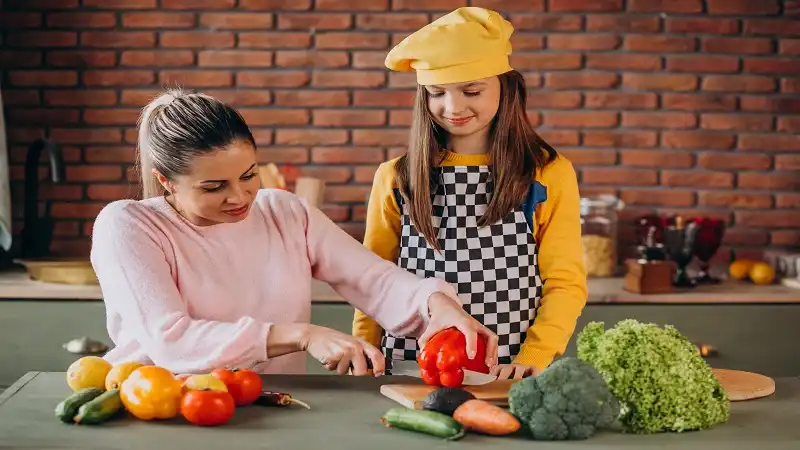
At the same time, cooking should not be viewed as the responsibility of mothers alone. Every family member can contribute by preparing ingredients, setting the table, washing dishes, or learning simple recipes. Sharing these tasks reduces the burden on one person and teaches children useful life skills.
The deeper value of family cooking lies in care, cooperation, and the time people spend together. These qualities matter regardless of who prepares the meal.
Momfood Importantcool and Everyday Food Choices
The concept of Momfood Importantcool can be explored through the everyday decisions that shape family eating habits. Choosing ingredients, planning meals, and finding a balance between nutrition and convenience are all practical parts of maintaining a household food routine.
One useful habit is to include different food groups throughout the week. Vegetables and fruits provide important vitamins, minerals, and fiber. Whole grains can contribute energy and fiber, while foods such as beans, lentils, eggs, fish, dairy products, and meat can provide protein and other nutrients.
Variety is important because no single food supplies everything the body needs. Families can also adjust recipes to suit their circumstances. Seasonal produce may be more affordable, while dried beans and lentils can provide economical ingredients for filling meals.
Healthy eating does not mean every meal must be perfect. There is room for favorite family recipes, occasional desserts, and different cultural foods. What matters most is the overall pattern of eating over time rather than one individual meal.
Planning Meals Without Creating Extra Stress
Meal planning can make daily cooking easier, particularly for families balancing work, education, and household responsibilities. Instead of deciding what to cook at the last minute, people can make a simple plan for several days.
A weekly plan does not need to be strict. It can include a few dependable meals, one or two new recipes, and flexible options for busy evenings. For example, a family might prepare lentils on one day, chicken and vegetables on another, and a rice-based dish later in the week.
Planning also helps reduce food waste. When people know which ingredients they need, they are less likely to purchase items that remain unused in the refrigerator. Leftovers can sometimes be transformed into another meal, provided they are stored safely and reheated properly.
Keeping basic ingredients available is another helpful strategy. Items such as onions, tomatoes, eggs, rice, lentils, frozen vegetables, and common seasonings can make it easier to prepare a meal when time is limited.
The purpose of planning is not to make family life more rigid. It is to remove some of the daily pressure associated with cooking.
Teaching Children to Appreciate Food
Children can develop a healthier relationship with food when they participate in age-appropriate kitchen activities. Simple tasks such as washing vegetables, mixing ingredients, arranging fruit, or measuring flour can make cooking more interesting.
These activities also introduce practical lessons. Children can learn where ingredients come from, how recipes work, and why different foods are included in meals. As they grow older, they can gradually take responsibility for more complex tasks with appropriate supervision.
Cooking together can encourage curiosity about different flavors and cultural dishes. A child who helps prepare a vegetable dish may become more willing to taste it, although preferences naturally differ from one person to another.
Safety should always come first. Adults should supervise children around knives, hot surfaces, boiling water, and electrical appliances. Younger children can begin with simple tasks that do not involve sharp tools or heat.
Teaching children basic cooking skills gives them knowledge they can use throughout their lives, even when they eventually live independently.
Traditional Recipes and Cultural Connections
Food is closely connected to culture. Across different regions, families have developed recipes that reflect local ingredients, climate, history, and traditions. These dishes often appear during celebrations, religious occasions, weddings, and ordinary family gatherings.
In South Asian households, for example, meals may include rice, lentils, vegetables, flatbreads, curries, and a wide variety of spices. Other cultures have their own traditional soups, breads, stews, noodles, and baked dishes. Although ingredients differ, the role of food in bringing people together is widely shared.
Family recipes can preserve this connection between generations. Older relatives may teach younger family members how to prepare a dish by explaining the ingredients, cooking process, and small details that are difficult to capture in a written recipe.
Traditions can also evolve. Families may adjust recipes to accommodate changing budgets, dietary requirements, or ingredient availability. Preserving a food tradition does not require following every detail exactly as it was done in the past. The important thing is to retain the meaning and enjoyment associated with it.
Making Home Cooking Affordable
Food costs can put pressure on household budgets, but thoughtful planning can make home cooking more manageable. One of the easiest steps is to compare prices and build meals around ingredients that are affordable and readily available.
Seasonal vegetables and fruits may offer good value, while lentils, beans, eggs, and grains can provide economical meal options. Buying larger quantities can sometimes reduce costs, although it is important to purchase only what the household can use before ingredients spoil.
Reducing waste is equally useful. Leftover rice, vegetables, or cooked meat may be incorporated into another dish when handled and stored safely. Labeling containers with dates can help families keep track of prepared food.
Cooking from scratch can also reduce reliance on expensive convenience meals. However, saving money should not mean sacrificing food safety or nutritional variety. A sensible approach considers price, quality, storage needs, and the family’s preferences together.
Small changes made consistently can have a meaningful effect on the household food budget.
Food Safety and Clean Cooking Habits
A good home-cooking routine includes proper food handling. Fresh ingredients and careful preparation help reduce the risk of foodborne illness.
Hands should be washed before preparing food and after handling raw meat, poultry, seafood, or eggs. Raw ingredients should be kept separate from ready-to-eat foods to avoid cross-contamination. Cutting boards, utensils, and kitchen surfaces should also be cleaned appropriately.
Perishable food should be refrigerated promptly rather than left at room temperature for extended periods. Refrigerators should remain cold enough to keep food safe, and leftovers should be stored in covered containers. When reheating food, make sure it becomes thoroughly hot throughout.
It is also important to check ingredient freshness and follow suitable cooking temperatures, particularly for meat and poultry. Food that smells unusual, shows signs of spoilage, or has been stored improperly should not be treated as safe simply because it will be reheated.
These habits do not require expensive equipment. Consistent attention to cleanliness, storage, and cooking practices can make the kitchen safer for everyone.
Conclusion
Home cooking continues to play an important role in family life because it combines nourishment, creativity, tradition, and connection. From planning affordable meals to teaching children basic cooking skills, small kitchen habits can contribute to a more organized and enjoyable household routine.
Momfood Importantcool offers a way to explore these everyday ideas and recognize the value of homemade food in modern life. The real importance of family cooking is not about preparing perfect dishes or following complicated routines. It is about making thoughtful choices, sharing responsibilities, preserving meaningful traditions, and creating meals that bring people together.
With a little planning and a willingness to learn, families can make home cooking more practical, affordable, and enjoyable. Even a simple meal shared with loved ones can become a meaningful part of everyday life. For more info, please visit Momfoodimportantcool!